.png)

The Koi Pond is NinetyEight’s proprietary research community with over 2000+ Gen Z participants. Learn more about The Koi Pond here.
There's a TikTok genre that goes something like this: a guy wakes up at 5am, chugs a gallon of water, does 200 push-ups, mews at the camera, and calls it "looksmaxxing." A girl films her 47-step skincare routine, lists the $800 of products she uses, and tells you that you could look like this too, if you just tried harder. And while both videos are racking up millions of views, the people watching aren't necessarily inspired. They're exhausted. Welcome to self-optimization culture, where the pursuit of becoming your "best self" has quietly turned into one of the most overwhelming pressures that Gen Z navigates daily.
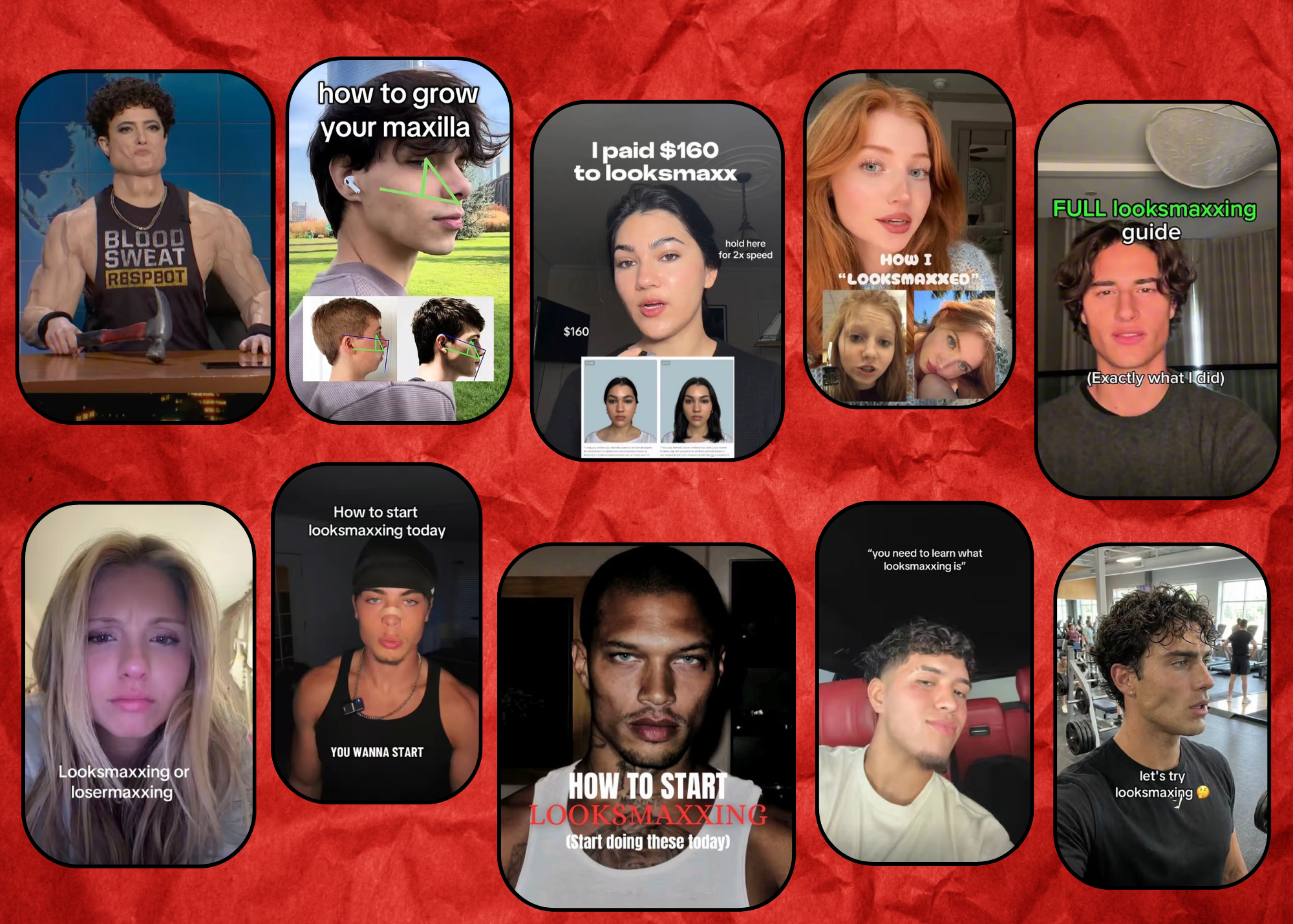
The concept of self-improvement isn't new. Every generation has had their own version of it: motivational books, gym culture, hustle mantras. But something shifted when the internet gave self-improvement an audience, an aesthetic, and an algorithm. "Maxxing," shorthand for maximizing some area of your appearance, fitness, or productivity, exploded out of niche online forums and into the mainstream. Looksmaxxing. Gymmaxxing. Sleepmaxxing. Productivity maxxing. There's a "maxx" for everything now, and the underlying message is always the same: you are a project that isn't finished yet. When we surveyed Gen Z through The Koi Pond, 88.5% said they had heard of these terms, and of those, nearly half (47.7%) first encountered them on TikTok, with Instagram close behind at 39.5%.
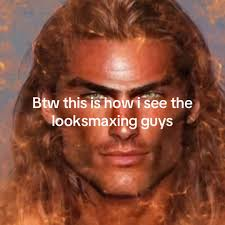
The assumption brands and platforms tend to make is that this content motivates. It drives aspiration. It sells. But when we asked Gen Z how they actually feel when they see maxxing content, the top responses weren't "motivated" or "inspired." They were "indifferent" (34.4%), "annoyed" (21.3%), and "insecure or pressured" (19.7%). Only 8.2% said they felt motivated. One Koi Pond respondent, Kat (2000) put it plainly: "It always feels extremely inauthentic, and frankly, exhausting to live life always worried about 'maxing' it." Visibility is not the same as endorsement.
The pressure Gen Z feels around self-improvement isn't abstract. It's deeply personal and measurable. When we asked respondents to rate how much pressure they feel to always be improving themselves on a scale of 1 to 10, the average score was 6.97. Nearly 1 in 5 rated it a 9 or 10. And when we asked whether they feel guilty when they're not "working to be the best version of themselves," 86.9% said yes. The primary drivers of that pressure? Personal standards and goals (80.3%), fear of falling behind (62.3%), and social media (39.3%). As one Koi Pond respondent, Corey (2006) told us, "It's so normalized in our society to always be chasing more, better, and wealthier. Because everything costs money and money is from productivity, anything else that isn't a side gig or earning money is considered a waste of time."
What Gen Z is experiencing isn't hustle culture enthusiasm. It's hustle culture anxiety. And that's a meaningful distinction. 96.7% of respondents believe there is such a thing as caring too much about self-optimization. The same culture they're consuming is the culture they're skeptical of.
One of the starkest findings from our survey: 44.3% of respondents said they had done something for "self-improvement" that, in hindsight, felt unhealthy or extreme. The responses were dominated by disordered eating patterns, including calorie restriction, fasting, skipping meals, and in multiple cases, full eating disorders developed during teenage years. Gen Z is clear-eyed about where the line is, even when they struggle to stay on the right side of it. When we asked them to define the boundary between healthy self-improvement and toxic self-optimization, they were consistent: the line is crossed when it starts being about comparison instead of growth, when it takes from your joy instead of adding to it, when results stop mattering and the pursuit becomes everything. As one respondent, K.N (2001) put it, "People underestimate how difficult it is to just maintain. Self-improvement is great, and we should always strive to be the best version of ourselves. But there's an immense amount of work that goes into just staying where you are."
Perhaps the most complicated dimension of maxxing culture is where it came from and where it leads. 59% of our respondents said they had noticed an overlap between self-optimization content and extremist communities online. Several respondents traced looksmaxxing directly back to incel communities, where the original logic was: optimize your appearance, become a "high-value" man, and women will have no choice but to want you. That framework has since been laundered into mainstream wellness content, but the roots, for many Gen Zers, are visible. Gen Z sees the pipeline from insecurity to content to ideology, and they're wary of brands that step into that space without acknowledging it.

Self-optimization also doesn't land the same for everyone. Women described being pressured to conform to beauty standards as a baseline expectation: not a trend, but a constant. Men described maxxing culture as simultaneously validating and destabilizing, a space that acknowledges male insecurity but channels it into increasingly extreme behaviors. Non-binary and gender-nonconforming respondents described feeling alienated by how rigidly gendered most maxxing content is.
The bottom line from Gen Z themselves: 80.3% said they think self-optimization culture is more harmful than beneficial for their generation.
If you're a brand operating in the wellness, beauty, fitness, or productivity space, the opportunity is real, but the stakes are high. Gen Z is not rejecting self-improvement. They're rejecting the version of it that makes them feel like they're never enough. What they're looking for is sustainability over extremism, honesty over aspiration, and self-acceptance alongside self-improvement. Not "become someone else," but "take better care of who you already are."
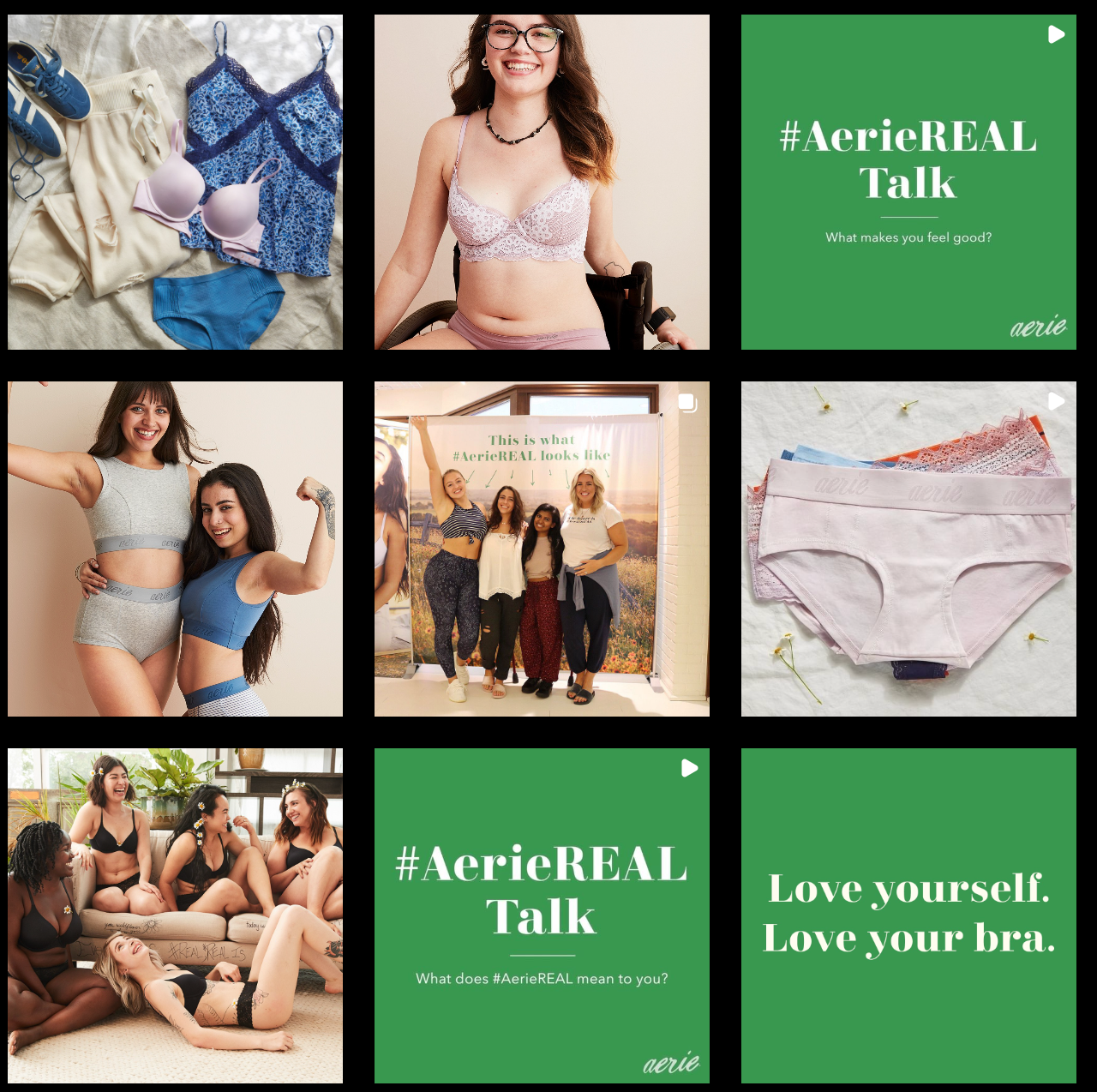
One brand that's threaded this needle well is Aerie. Instead of selling optimization as though your body is a problem to be solved, Aerie built its entire identity around the opposite. Their long-running #AerieREAL campaign ditched retouching, featured models across a wide range of body types, and leaned into the message that their clothes are for the body you have, not the one you're working toward. They didn't moralize or lecture. They just opted out of the game entirely and built a fanbase that's genuinely loyal as a result. The posture wasn't "we'll help you be better." It was "you're already worth dressing well."
As one respondent, Nata (2003) told us, "There's not enough self-acceptance in this type of content. It's all targeted for continuous improvement and chasing a feeling of being 'good enough,' which you'll never reach." That's what Gen Z is asking for. Not a finish line, not a higher standard, not a better routine. Just the permission to already be enough. The brands that actually listen to that, and build it into everything they make and say, are the ones that will matter to this generation.

.png)
.png)

.png)
.png)
.png)
.png)

